
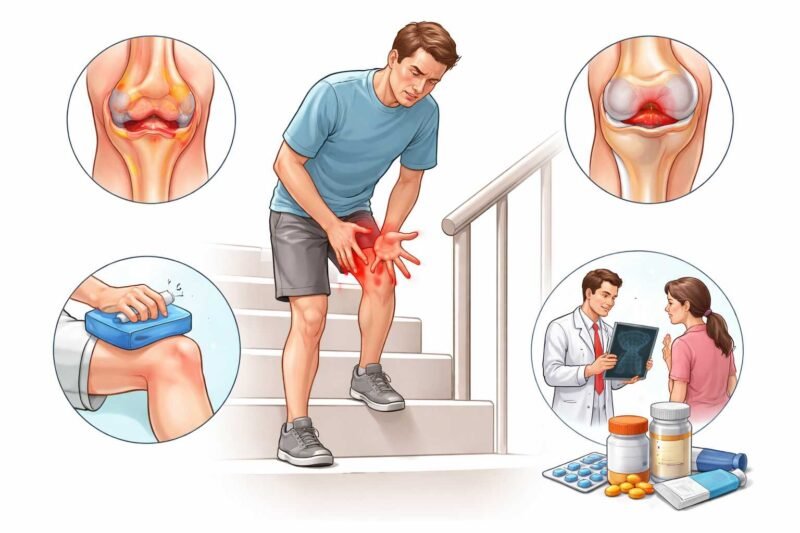
Knee Pain Going Down Stairs: Causes, Symptoms, and Best Treatments
Have you ever walked down a flight of stairs and suddenly felt a sharp twinge in your knee? You pause, hold the railing, and wonder, Why now? You are not alone. Knee pain going down stairs is one of the most common complaints seen in physiotherapy clinics. Many people notice discomfort during this simple daily activity long before they feel pain while walking on flat ground.
If this problem continues, it can affect mobility, confidence, and daily routines. Seeking early care—such as professional knee pain treatment in Delhi helps prevent the condition from worsening. Understanding the causes, symptoms, and treatment options allows you to take control of your joint health before small discomfort turns into a bigger issue.
Why Knee Pain Often Starts When Going Down Stairs
The load on the knee joint when walking down the stairs is greater than when walking on a flat surface. According to the research conducted by the American Academy of Orthopaedic Surgeons, going down the stairs could add several times the weight of your body to the stress on your knee. It is that additional load that makes most individuals initially experience knee pain on the downward steps and not during normal walking.
Your knee is like a shock absorber. The joint fails to effectively cope with pressure when the muscles surrounding it become weak or tight. The outcome is pain, rigidity, or instability.
An easy way to consider it:
Your knee is like a car suspension. Any bump is amplified in case the suspension is weak.
Common Causes of Knee Pain Going Down Stairs
Several conditions can lead to pain in knee going down stairs. Identifying the exact cause helps doctors design the right treatment plan.
1. Patellofemoral Pain Syndrome (Runner’s Knee)
This is the state of the things when the kneecap does not slide over the joint easily. It is common with individuals who spend a considerable amount of time sitting, frequently running, or suddenly increasing the level of physical activity.
Symptoms include:
- Knee pain in the anterior.
- Pain when going up or down the stairs.
- Pain on clicking or grinding.
2. Osteoarthritis
Osteoarthritis occurs when the cartilage becomes worn out with time in the knee. It is common in adults that are above 40, but it can also occur in individuals that are younger; this is as a result of injury or frequent stress.
Osteoarthritis is a major cause of joint pain and disability in the world according to the World Health Organization.
Arthritic people tend to have knee pain while walking or suffer stiffness upon waking up.
3. Weak Quadriceps Muscles
The knee joint is supported by your thigh muscles. Weak muscles decrease the stability and cause pressure on the joint. Office workers, elders, and individuals who do not engage in physical activities are among the common people who are affected by this problem.
4. Meniscus Injury
The knee has a cushion in the form of the meniscus. This cartilage may be damaged by sudden twisting movements or sports injuries.
Common signs include:
- Sharp pain
- Swelling
- Pain when bending the knee.
5. Tendon Inflammation
The knee tendons can get irritated by overuse, repetitive strain, or improper exercise technique. This swelling usually results in knee hurts going down stairs or pain following exercises.
Also Read : Physiotherapy Exercises for Lower Back Pain: Guide to Relief and Recovery
Symptoms You Should Not Ignore
The symptoms are usually mild at an early stage. Nonetheless, disregarding them may cause long term joint complications.
Be on guard of the following warning signs:
- Pain when descending stairs
- Swelling around the knee
- Stiffness after sitting
- Weakness or instability
- Popping or clicking sounds.
When the symptoms persist beyond a few weeks, it is essential to seek professional assessment. Quick diagnosis usually results in a quicker recovery.
Risk Factors That Increase Knee Pain
Some lifestyles and disorders increase the likelihood of experiencing knee pain when walking down stairs.
Common Risk Factors
- Sitting for long hours
- Poor posture
- Excess body weight
- Physical inactivity.
- Previous knee injury
- Improper footwear
Knee problems are largely caused by modern lifestyles. Most individuals sit at desks and during the day do not move a lot. Without frequent exercise, the knee joint progressively becomes weak.
Best Treatments for Knee Pain Going Down Stairs
The positive thing is that the majority of knee conditions are sensitive to conservative therapy. When patients are early seekers of care, surgery is hardly necessary.
1. Physiotherapy and Exercise
Physiotherapy is still the most effective in treating knee pain when going down stairs. After assessment of the muscular strength, movement of the joints and the posture, a physiotherapist develops an individualized exercise program.
Typical therapy objectives are:
- Strengthening thigh muscles
- Improving flexibility
- Restoring joint stability
- Easing of the pain and inflammation.
With a few weeks of regular therapy, many patients observe improvement.
2. Activity Modification
Small changes in the way of life can go a long way.
These are some of the simple changes that can be tried:
- Hold onto railings when going down the stairs.
- Shun abrupt strenuous activities.
- To take short movement breaks at work.
- Wear supportive footwear
These exercises cushion your joints and avoid the additional damage.
3. Pain Management Techniques
The doctor might prescribe other treatment to minimize pain, such as:
- Ice therapy
- Heat therapy
- Therapeutic ultrasound
- Manual therapy
The treatments are used to manage inflammation and accelerate healing.
4. Weight Management
Additional weight to the body puts strain in the knee. Even losing a few pounds will help a great deal in pain reduction.
According to a study by the Arthritis Foundation weight loss enhances joint functioning and decreases knee stress.
When Should You See a Physiotherapist?
A good number of individuals take too long to get treated. Phywell Physiotherapy wishes that the pain would just go away. Sadly, the joint issues do not tend to resolve on their own unless they are taken care of.
See a doctor should you experience:
- Persistent knee pain
- Problem walking or ascending stairs.
- Swelling longer than a couple of days.
- Sudden knee weakness
In case you require some good advice, you can consider professional knee pain treatment in Delhi by visiting some reputable clinics. As an illustration, you can simply find Phywell Physiotherapy on Google Business profile to consult directions, services, and reviews of patients.
Prevention Tips to Protect Your Knees
Until it is cured, prevention is better. Even the most basic everyday routines can make your joints strong and healthy.
Practical Prevention Strategies
- Exercise regularly
- Warm up prior to exercise.
- Maintain normal weight.
- Use proper footwear
- Strengthen leg muscles
- Avoid prolonged sitting
Even 20 minutes of daily movement can improve joint health.
Many people who follow preventive routines rarely develop chronic knee pain. Those who seek early care from the best physiotherapy in Delhi often recover faster and avoid complications.
Final Thoughts
Knee pain going down stairs may seem like a small problem at first, but it can signal underlying joint stress or muscle weakness. Ignoring early symptoms often leads to bigger issues later. The good news is that timely treatment and regular exercise combined with healthy habits will help people recover their ability to move and achieve pain relief.
Your knees support you every day—literally. Maintaining your knees through proper care today will help you remain active without experiencing pain or losing confidence in your abilities tomorrow. The correct diagnosis together with a customized recovery plan can be obtained through professional knee pain treatment in Delhi which will assist patients who experience persistent discomfort. If you are experiencing ongoing knee pain or mobility issues, contact us today to schedule a consultation and take the first step toward safe, effective recovery.




Leave a Reply