
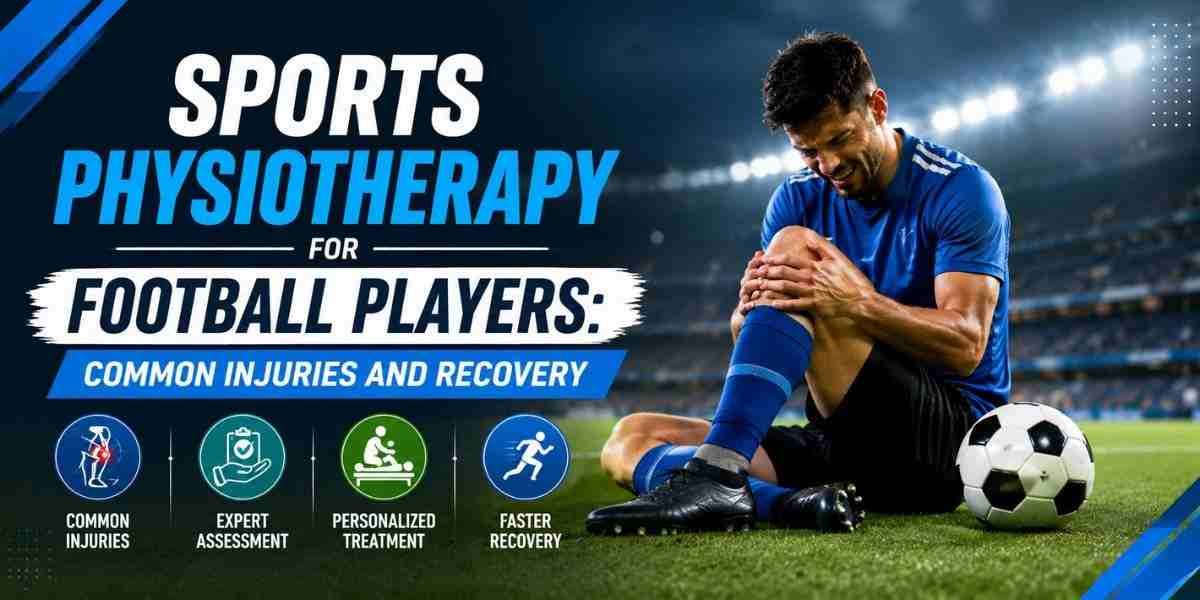
Sports Physiotherapy for Football Players: Common Injuries and Recovery
Phywell Physiotherapy Team2026-08-20T12:27:43+00:00Football looks effortless when you watch a skilled player glide past a defender. The reality is very different for the body. Sprinting, sudden stops, sharp changes of direction, jumping, tackling and repeated kicking place considerable demands on muscles and joints. When an injury happens, getting back on the pitch is not simply about waiting until the pain disappears.
Sports physiotherapy for football players focuses on restoring strength, mobility, stability, coordination and confidence so an athlete can gradually return to football-specific demands. At Phywell Physiotherapy, players can receive individualized rehabilitation based on their injury and goals. If you are looking for the Best physiotherapy in Delhi, the right starting point is a proper assessment rather than simply choosing the fastest treatment.
Why Football Injuries Need Proper Rehabilitation
Football injuries can happen suddenly or develop gradually. A player may twist an ankle during a tackle, strain a hamstring while sprinting or develop pain after repeatedly training without enough recovery.
The National Institute of Arthritis and Musculoskeletal and Skin Diseases (NIAMS) classifies sports injuries broadly as acute injuries, which happen suddenly, and chronic injuries, which often develop through repetitive overload. Common sports injuries include sprains, strains, ligament injuries, fractures and tendon problems.
For footballers, this distinction matters. An ankle sprain and a gradually developing muscle problem may both cause pain, but they do not need the same football injury rehabilitation approach.
Trying to play through an injury can also make matters worse. NIAMS advises athletes not to continue an activity when a particular movement causes pain and recommends professional evaluation when symptoms are severe or persistent.
Common Football Injuries Physiotherapists Treat
Understanding common injuries makes it easier for players, parents and coaches to recognize when professional help may be useful.
Hamstring Strains
Hamstring injuries are a familiar problem in football because the muscles at the back of the thigh work hard during sprinting and acceleration.
A player may feel a sudden pull or sharp pain during a high-speed run. Rehabilitation usually needs more than basic stretching. Progressive loading, strength work, running exposure and football-specific drills may all become part of the recovery process.
Recent international consensus guidance recommends individualized rehabilitation based on the athlete, sport demands, injured muscle and injury severity. It also emphasizes progressing exercise and running according to the athlete’s capacity and symptoms.
Ankle Sprains
An awkward landing, sudden change of direction or contact with another player can cause an ankle sprain. The severity varies, so a player should not assume that every ankle injury will recover on the same timeline.
Soccer injury rehabilitation may include restoring ankle mobility, improving strength, balance and coordination, and gradually introducing running, jumping and change-of-direction activities.
The aim is not simply to make the ankle feel comfortable while walking. The player eventually needs enough control and stability to deal with football’s unpredictable movements.
Knee and ACL Injuries
The knee handles a tremendous amount of load during football. Sudden deceleration, pivoting and awkward landings can contribute to ligament injuries, including anterior cruciate ligament (ACL) injuries.
ACL rehabilitation can be lengthy and highly individualized. It may involve progressive strength training, balance, neuromuscular control, jumping and landing mechanics, running and sport-specific progression.
UEFA has highlighted ACL injury prevention and management as an important area of football medicine and has established expert work focused particularly on female footballers and ACL injury patterns.
Groin and Adductor Injuries
Repeated kicking, acceleration and side-to-side movement can place substantial demands on the groin and inner-thigh muscles.
A player may initially notice discomfort while kicking or changing direction. Football muscle injuries around the groin need appropriate assessment because returning to high-speed movement too soon can interfere with recovery.
Back and Hip Problems
Not every football injury happens during a dramatic tackle. Repetitive training, changes in workload and movement-related problems can contribute to discomfort around the lower back and hip.
Players dealing with persistent symptoms may benefit from an assessment rather than repeatedly treating the pain themselves. If your concern extends beyond a football injury, back pain physiotherapy in Delhi may also be relevant when assessing movement, strength and functional limitations.
What Happens During Football Injury Assessment?
Good rehabilitation starts with understanding the problem.
A football injury assessment may consider how the injury happened, where the symptoms occur, movement limitations, strength, balance and the demands of the player’s position and level of competition.
The physiotherapist may also look at movement patterns such as squatting, landing, running or changing direction when appropriate.
This matters because two players with the same diagnosis may have very different needs. A goalkeeper, midfielder and striker do not place exactly the same demands on their bodies.
The assessment helps create a more targeted football rehabilitation program instead of relying on a one-size-fits-all routine.
Also Read: Geriatric Physiotherapy: Fall Prevention and Mobility Management in Older Adults
What Does Football Rehabilitation Involve?
Once the injury has been assessed, rehabilitation usually progresses through stages. The exact sequence depends on the injury, treatment and individual response.
Restoring Movement and Basic Strength
Early rehabilitation often focuses on controlling symptoms and restoring comfortable movement. The player may then gradually work on strength and flexibility.
The objective is not to rush into difficult exercises. It is to create enough physical capacity for the next stage.
Building Strength, Stability and Control
As symptoms settle, rehabilitation can become more challenging.
Exercises may target:
- Muscle strength
- Joint stability
- Flexibility
- Balance
- Coordination
- Agility
- Neuromuscular control
- Mobility
- Power
These qualities work together. A footballer may have good strength in a gym but still struggle to control the knee while landing or changing direction. Rehabilitation should therefore progress toward the actual demands of the sport.
Returning to Running and Football Movements
Running is an important part of football rehabilitation exercises, but it should not automatically be the first test of readiness.
Depending on the injury, a player may progress from controlled running to acceleration, deceleration, changes of direction, jumping, kicking and repeated high-speed efforts.
For hamstring injuries, current consensus recommendations specifically emphasize progressive running and considering the demands of match play when planning return to sport.
This is where soccer physiotherapy becomes different from general rehabilitation. The final stages should reflect what the athlete actually needs to do on the pitch.
Why the Return-to-Play Decision Matters
Every injured footballer eventually asks the same question: “When can I play again?”
Unfortunately, there is no universal number of days that works for every injury.
The International Federation of Sports Physical Therapy and sports medicine experts have emphasized that return to sport is a complex, multifactorial decision. It should consider the athlete, sport, level of participation and risk rather than relying on one isolated factor.
A return-to-play protocol may therefore consider:
- Pain and symptoms
- Strength
- Mobility
- Balance and control
- Running ability
- Sport-specific movements
- Physical readiness
- Confidence
- Training tolerance
- Ability to perform football-specific tasks
The player also needs psychological readiness. An athlete who is physically capable but still afraid to sprint or change direction may need more progressive exposure and reassurance.
The goal is a safer return, not merely a quicker return.
Injury Prevention Is Part of Performance
Rehabilitation should not end with the first pain-free training session. Once a player returns, injury prevention becomes part of maintaining performance.
Warm-ups, appropriate strength training, workload management, recovery and sport-specific conditioning can all have a place in a footballer’s routine.
One well-known example is FIFA 11+, an injury-prevention warm-up programme developed specifically for football. FIFA describes it as a structured warm-up containing exercises aimed at reducing football injuries.
Research continues to evaluate football injury-prevention programmes, including FIFA-related neuromuscular training. Recent evidence suggests these programmes can reduce some injury risks, although effects can vary between populations and programme versions.
UEFA also maintains a medical community and long-running injury surveillance work focused on player health, prevention and rehabilitation. Its current medical programme brings together doctors, physiotherapists and other professionals involved in football medicine.
Recovery Is More Than Exercise
Players sometimes focus so heavily on training that they forget the less glamorous parts of recovery.
Sleep, nutrition, appropriate training loads and sufficient recovery time all matter. UEFA’s medical guidance for elite football recognizes nutrition as part of protecting player health and supporting recovery during rehabilitation.
Recovery also involves motivation and patience.
There will be days when progress feels exciting and others when it feels painfully slow. That is normal. A structured rehabilitation plan can give the athlete measurable steps toward better strength, stability, agility and athletic confidence.
And yes, sometimes the hardest exercise is resisting the urge to declare yourself “100% fit” five minutes after the pain improves.
How Phywell Physiotherapy Supports Football Injury Recovery
At Phywell Physiotherapy, rehabilitation is approached around the individual’s condition, physical needs and recovery goals. The focus is on helping patients rebuild strength, mobility, control and confidence rather than simply chasing short-term symptom relief.
For athletes searching for the Best physiotherapy in Delhi, professional assessment and personalized rehabilitation should be key considerations. A good treatment plan should make sense for the injury and the athlete’s actual sporting demands.
Phywell Physiotherapy also provides care for musculoskeletal conditions outside sport. Players who experience persistent back discomfort, for example, may explore back pain physiotherapy alongside their broader rehabilitation needs.
The same principle applies throughout recovery: understand the problem, build capacity gradually and monitor how the body responds.
When Should a Football Player See a Physiotherapist?
Consider professional assessment when you have:
- Persistent pain during training or matches
- Repeated hamstring, ankle or groin problems
- Swelling or restricted joint movement
- Reduced strength or mobility
- Difficulty sprinting, jumping or changing direction
- A previous injury that keeps returning
- Fear or lack of confidence when returning to football
- Difficulty completing normal training
- An injury that affects performance
Severe pain, major swelling, inability to bear weight, obvious deformity or suspected fracture requires prompt medical evaluation.
Get Back to Football With a Smarter Recovery Plan
Sports physiotherapy for football players is not simply about getting rid of pain. It is about preparing the body for the demands that caused the problem in the first place.
Whether the issue involves a hamstring, ankle, knee, groin or back, effective rehabilitation should gradually rebuild strength, stability, agility, flexibility, coordination and confidence in movement.
At Phywell Physiotherapy, the goal is to provide professional, individualized care that supports recovery and helps athletes work toward a confident return to the sport they enjoy.
If an injury is keeping you away from football, contact Phywell Physiotherapy for a professional assessment and personalized football rehabilitation plan. The right recovery strategy can help you return with better physical readiness, greater confidence and a clearer understanding of how to protect your performance in the future.








Leave a Reply