
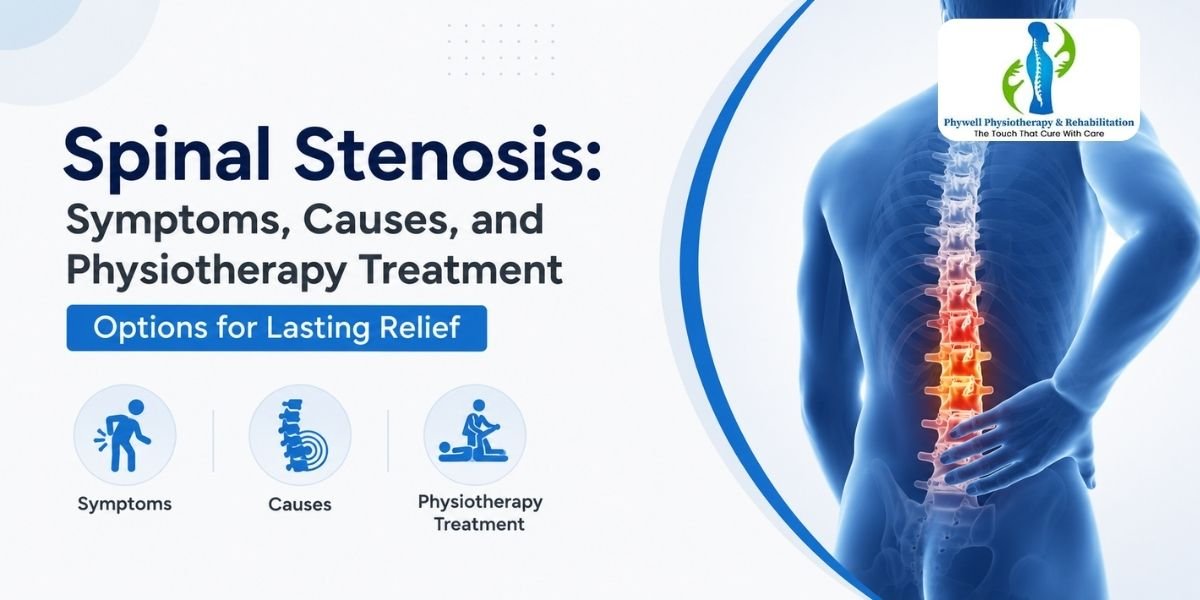
Spinal Stenosis: Symptoms, Causes, and Physiotherapy Treatment Options for Lasting Relief
If you have been searching for back pain physiotherapy in Delhi, chances are you’ve already come across terms like spinal stenosis or nerve compression. And yes, it sounds complicated enough to make anyone nervous. But the condition itself is more common than people think, especially with age and long-term posture issues.
At Phywell Physiotherapy, we often meet patients who walk in saying, My back feels like it’s sending signals to my legs, but not the good kind. That’s usually how spinal stenosis physiotherapy becomes relevant in real life.
Let’s break it down in a simple, practical way so you understand what is happening inside your spine and how physiotherapy for spinal stenosis can genuinely help.
What is Spinal Stenosis?
Spinal stenosis means narrowing of the spinal canal, the space that protects your spinal cord and nerve roots. When this space reduces, it increases pressure on nerves and creates pain or discomfort.
Most cases involve:
- Lumbar spinal stenosis (lower back)
- Cervical spinal stenosis (neck region)
This narrowing often affects structures like the vertebral column, intervertebral discs, facet joints, and ligamentum flavum, which gradually lose flexibility with age or stress.
In simple terms, your spine gets a little tight in the hallway, and nerves don’t enjoy crowded hallways.
Also Read: Laptop vs Mobile: Which Causes More Neck Pain?
Spinal Stenosis Causes
The most common causes of spinal stenosis include natural wear and tear. The spine is strong, but not immortal.
Key reasons include:
- Age-related degeneration of intervertebral discs
- Thickening of spinal ligaments (especially ligamentum flavum)
- Arthritis in facet joints
- Herniated discs are putting pressure on nerve pathways
- Congenital narrowing in rare cases
Over time, these changes reduce space within the spinal canal and lead to nerve compression.
At Phywell Physiotherapy, we often explain it like this: your spine doesn’t “break suddenly,” it slowly becomes less flexible, like an old hinge that needs oil.
Spinal Stenosis Symptoms You Should Not Ignore
Symptoms vary depending on whether the issue is in the neck or lower back. However, common signs include:
- Severe lower back pain
- Sharp shooting pain in the legs
- Numbness in legs and feet
- Spinal stenosis symptoms in the legs, especially while walking
- Difficulty walking without pain
- Worsening pain while standing
- Relief after sitting or bending forward
- Stiffness in the back in the morning
- Reduced mobility in daily activities
Many patients describe a feeling of pressure in the lower back or legs, and getting tired quickly while walking. That is a classic pattern of walking difficulty due to spinal stenosis.
If you are already looking for back pain physiotherapy, these symptoms often overlap with general mechanical back pain, which makes proper assessment important.
Spinal Stenosis Diagnosis
Doctors usually diagnose spinal stenosis using:
- Physical examination by a physical therapist or spine specialist
- MRI scan to assess the spinal canal and nerve compression
- CT scan in some cases for bone structure detail
The goal is simple: identify where the narrowing occurs and how much it affects the nerves, especially the dorsal root ganglion and spinal nerve roots.
Organizations like the NHS and Mayo Clinic highlight imaging as a key part of confirming spinal stenosis, especially when symptoms persist.
Also Read: Cervical Pain Treatment Physiotherapy: Safe and Effective Relief for Neck Pain
Physiotherapy for Spinal Stenosis: How It Helps
Now comes the most important part: non-surgical spinal stenosis treatment.
At Phywell Physiotherapy, we focus on reducing pain, improving mobility, and helping patients return to normal activities without fear.
Key Physiotherapy Goals:
- Reduce nerve pressure
- Improve spinal flexibility
- Strengthen core muscles and paraspinal muscles
- Correct posture using posture correction tools
- Improve walking ability and balance
Main Treatment Methods:
- Manual therapy to reduce stiffness in spinal joints
- Exercise therapy for strengthening and mobility
- Guided spinal stenosis exercises for daily relief
- Education on posture and movement habits
- Use of walking aids when required for stability
This approach supports spinal stenosis treatment without surgery in many mild to moderate cases.
Patients who earlier searched for back pain physiotherapy often discover that structured physiotherapy becomes the turning point in their recovery journey.
Spinal Stenosis Exercises That Actually Help
Exercise plays a major role in recovery. But here is the truth: random YouTube workouts are not a strategy.
A proper physiotherapy program for spinal stenosis includes:
- Pelvic tilts to improve lower back mobility
- Knee-to-chest stretches to reduce stiffness
- Core strengthening for spinal support
- Walking training with posture control
- Gentle stretching for hip flexors
These exercises reduce pressure on the spinal canal and improve blood flow to affected nerve roots.
A key observation in many patients: bending slightly forward reduces discomfort because it temporarily opens the spinal space. That’s why cycling often feels easier than standing or walking for long periods.
Lifestyle Tips for Long-Term Relief
Physiotherapy works best when combined with daily habits.
- Avoid long periods of standing still
- Take short walking breaks instead of continuous strain
- Maintain neutral spine posture while sitting
- Use ergonomic chairs and supports
- Strengthen core muscles regularly
Many patients report constant aching in the spine and sharp pain during movement, but consistent habits reduce flare-ups significantly.
If symptoms affect daily life, seeking back pain physiotherapy early helps prevent progression.
When Should You See a Specialist?
You should consult a physiotherapist or doctor if you notice:
- Increasing leg pain while walking
- Loss of balance or frequent fatigue
- Persistent numbness or tingling
- Reduced ability to perform daily activities
- Pain that does not improve with rest
At Phywell Physiotherapy, we design personalized rehabilitation programs that match your condition severity and lifestyle needs. We focus on safe, structured recovery instead of quick fixes.
Take the First Step Toward Pain-Free Movement Today
While spinal stenosis is treatable, with the proper treatment, you do not have to suffer from everyday discomfort or a lack of mobility. Getting the early intervention can truly help with your journey to recovery.
Our physiotherapy service at Phywell Physiotherapy involves assessing your presenting symptoms and creating an evidence-based treatment plan to alleviate pain, restore movement and help you get back to your life with confidence. Be it having early symptoms or long-term discomfort, we are here to help you through the process.
Don’t wait for the pain to worsen.
Contact Phywell Physiotherapy today to book your consultation and start your recovery with expert spinal stenosis care.
Need quick help? Reach out now and speak with our physiotherapy team for guidance on your condition.










Leave a Reply