
Best Physiotherapy in Delhi for Pain Relief, Faster Recovery & Better Mobility
Pain, joint stiffness, muscle weakness, and movement difficulties can affect your daily routine, work, sleep, and overall quality of life. Whether you are dealing with persistent back pain, recovering from surgery, or managing a sports injury, the right rehabilitation approach can help you improve movement and regain confidence in everyday activities.
Finding the best physiotherapy in Delhi involves more than looking for temporary pain relief. It means choosing qualified professionals who understand your condition, assess your physical limitations, and develop a treatment plan suited to your individual needs. At Phywell Physiotherapy, the focus is on personalized physiotherapy, functional rehabilitation, and helping patients work towards meaningful recovery goals through appropriate clinical care.
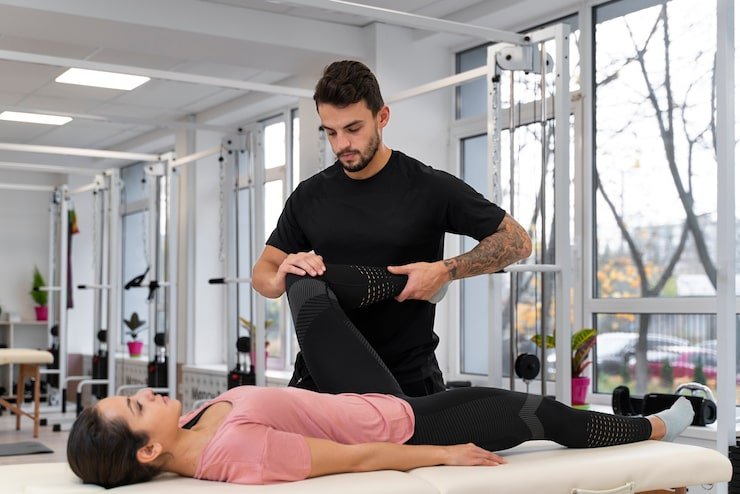
What Makes a Good Physiotherapy Clinic in Delhi?
A reliable physiotherapy clinic should begin with a detailed assessment rather than offering the same treatment to every patient. Your physiotherapist should understand your medical history, current symptoms, physical activity, previous injuries, and the activities you want to perform comfortably.
When looking for the best physiotherapy centre in Delhi, consider professional qualifications, clinical experience, treatment transparency, and the availability of rehabilitation services relevant to your condition. A good clinic explains the purpose of treatment, discusses realistic expectations, and monitors progress throughout the rehabilitation process.
The best physiotherapy in Delhi for one patient may differ from the right choice for another. Someone recovering after knee surgery may need a different program from an athlete with a muscle injury or an older adult experiencing balance difficulties. Individual assessment helps ensure that treatment reflects these differences.
Comprehensive Physiotherapy Treatment in Delhi
Physiotherapy supports people experiencing pain, reduced mobility, muscle weakness, joint stiffness, and difficulty performing daily activities. Depending on the clinical findings, treatment may include therapeutic exercises, manual therapy, posture correction, movement retraining, and education about managing symptoms.
At Phywell Physiotherapy, patients can explore rehabilitation options for musculoskeletal conditions, sports injuries, neurological problems, and post-surgical recovery. The appropriate treatment depends on the patient’s diagnosis, functional abilities, and medical requirements.
Orthopaedic Physiotherapy
Orthopaedic physiotherapy focuses on conditions affecting muscles, joints, tendons, ligaments, and the spine. It may help people experiencing back pain, knee osteoarthritis, shoulder pain, joint stiffness, or movement limitations after an injury.
Treatment can involve muscle strengthening exercises, flexibility training, joint mobility exercises, and functional movement practice. The objective is to improve physical capacity and help patients return to appropriate everyday activities.
People searching for the best physiotherapy in Delhi for orthopaedic problems should look for an assessment-led approach that considers the underlying condition and the patient’s recovery goals.
Physiotherapy for Back Pain and Neck Pain
Back and neck pain can make sitting, working, driving, sleeping, and exercising uncomfortable. Depending on the cause, physiotherapy may include progressive exercises, movement education, posture guidance, and selected manual therapy techniques.
Physiotherapy for back pain in Delhi may focus on improving spinal movement, trunk strength, and tolerance for everyday activities. Physiotherapy for neck pain in Delhi may address cervical pain treatment in Delhi, muscle control, and activities that aggravate symptoms.
The best physiotherapy centre in Delhi should explain why particular exercises or techniques are recommended and how their effectiveness will be reviewed. Persistent or severe symptoms may require medical assessment to identify the cause before treatment begins.
Sports Injury Physiotherapy
Sports-related injuries can affect professional athletes, fitness enthusiasts, and people who participate in recreational activities. Muscle strains, ligament injuries, tendon problems, and overuse conditions may require structured rehabilitation.
Sports injury physiotherapy can include progressive strengthening, flexibility training, balance exercises, coordination work, and sport-specific movement practice. Exercise intensity should increase according to recovery, functional ability, and the demands of the activity.
A suitable physiotherapy program aims to restore physical capacity and support a gradual return to sport rather than encouraging a premature return that may increase the risk of reinjury.
Neurological Physiotherapy
Neurological rehabilitation may benefit selected patients who experience movement difficulties following a stroke or because of other neurological conditions. Treatment goals may include improving balance, practising walking, developing movement control, and increasing independence with everyday tasks.
Patients with spinal cord injury or significant neurological impairment may need coordinated care involving physiotherapists, doctors, and other rehabilitation professionals. Treatment should be adapted to the patient’s abilities, safety requirements, and medical condition.
Geriatric and Paediatric Physiotherapy
Geriatric physiotherapy addresses age-related changes in strength, balance, mobility, and physical independence. Depending on the assessment, treatment may include walking practice, strengthening exercises, balance training, and strategies to reduce fall risks.
Paediatric physiotherapy supports children with selected developmental and movement-related needs. Exercises and activities should be age-appropriate and based on the child’s assessment and individual goals.
When comparing the best physiotherapy in delhi options, check whether the provider has relevant experience with the age group and condition requiring treatment.
Post-Surgical Rehabilitation
Following surgery, patients may need guided exercises to restore movement, rebuild strength, and gradually resume daily activities. Post-surgical rehabilitation may be recommended after procedures such as knee replacement and other orthopaedic operations.
The rehabilitation program must follow the surgeon’s instructions, including any weight-bearing restrictions and precautions. Progression depends on the procedure, healing stage, medical advice, and the patient’s response to exercise.
How Does a Physiotherapy Assessment Work?
An effective treatment plan begins with understanding the patient’s symptoms and functional limitations. During an initial consultation, the physiotherapist may review your medical history, previous treatment, daily routine, and relevant investigation reports.
The assessment may include a musculoskeletal assessment, functional movement assessment, postural assessment, range of motion evaluation, muscle strength testing, pain assessment, and mobility evaluation. Not every test is necessary for every patient; the selection depends on the condition and clinical findings.
After the assessment, the physiotherapist discusses individual rehabilitation goals and prepares a personalized treatment plan. Progress can be monitored through changes in strength, movement, balance, symptoms, and the ability to perform everyday tasks.
Treatment Techniques Used in Physiotherapy
Professional physiotherapy services may combine several approaches depending on the patient’s condition and treatment goals.
- Therapeutic exercises: Help develop strength, endurance, flexibility, and movement control.
- Manual therapy techniques: Hands-on interventions that may support symptom management and movement in selected patients.
- Joint mobilization: Controlled techniques used when appropriate to address joint movement restrictions.
- Soft tissue therapy: Techniques directed at muscles and other soft tissues as part of a broader rehabilitation program.
- Posture correction: Guidance on positioning, movement habits, and workstation setup.
- Gait training: Exercises and supervised practice designed to improve walking ability and functional mobility when indicated.
The best physiotherapy in Delhi should involve appropriate clinical reasoning when selecting these methods. Treatment should not depend solely on machines or passive techniques; active exercise, patient education, and participation are often important parts of recovery.
Chiropractic Care and Manual Therapy
Some patients explore chiropractic adjustment in Delhi for selected musculoskeletal complaints. Chiropractic care may involve specific manual techniques, but the suitability of each intervention depends on the patient’s diagnosis, medical history, and individual risk factors.
At Phywell Physiotherapy, patients interested in chiropractic care or manual therapy should discuss their symptoms and treatment expectations with the treating professional. Before any spinal manipulation or chiropractic adjustment, the clinician should assess whether the technique is appropriate, explain potential risks and alternatives, and obtain informed consent.
Patients should never feel pressured to undergo a procedure they do not understand or are uncomfortable receiving.
Physiotherapy at Home or in a Clinic?
Rehabilitation through clinics could be a good option for individuals requiring specialized equipment or a supervised environment to exercise or any specific treatment techniques. Individuals experiencing difficulties with movement due to pain, post-surgery complications, aging problems, or decreased mobility may benefit from home visits.
In case you are more comfortable getting treatment at a comfortable place, check out physiotherapy at home in Delhi to know about different options of home rehabilitation services. Find out about the area covered, scheduling, costs of sessions, and if it suits your condition to have treatment at home.
Physiotherapy Centre in Delhi must ensure that their patients choose the best way of treatment without forcing all therapies on them.
How to Choose the Best Physiotherapy Centre in Delhi
Selection of the provider involves several aspects like clinical quality, communication, and provision of the required services.
Firstly, you should be interested in the physiotherapist’s credentials and clinical experience. It is necessary to ask whether the professional has relevant experience with your problem and whether the center can arrange collaboration with your physician if needed.
Secondly, you need an adequate treatment process. The best physiotherapy center should provide an explanation of the meaning of the proposed intervention, risks, and control of your improvement.
Thirdly, it is important to think about such practical aspects as convenience, appointment time, service location, and costs that could affect your possibility to visit sessions regularly.
Phywell Physiotherapy names Dr. Shivam Tiwari as a lead specialist of the company. He has experience in physiotherapy, manual therapy, and rehabilitation. You need to know the credentials and experience of the professional who provides the treatment to you.
The best physiotherapy centre in Delhi is the one which meets your clinical demands with proper communication and treatment.
Common Conditions and Their Rehabilitation Goals
Condition | Main rehabilitation focus |
Back pain | Spinal movement, strength, and activity tolerance |
Neck pain | Cervical mobility, posture, and muscle control |
Knee osteoarthritis | Strength, joint function, and walking ability |
Shoulder pain | Mobility, strength, and reaching activities |
Sports-related injuries | Progressive strengthening and return to activity |
Stroke recovery | Balance, functional movement, and walking practice |
Post-surgical conditions | Safe movement and gradual strengthening |
Age-related weakness | Balance, gait, and everyday independence |
The treatment approach varies according to the diagnosis, the patient’s physical condition, and any medical restrictions.
Supporting Your Recovery Between Sessions
Rehabilitation involves more than the time spent with a physiotherapist. Following the recommended home exercise program, attending reviews, and communicating changes in symptoms can help keep treatment aligned with your progress.
Depending on your condition, your physiotherapist may recommend regular movement breaks, safe lifting techniques, appropriate physical activity, or workstation adjustments. Avoid increasing exercise intensity without guidance if you have recently undergone surgery or have significant pain or weakness.
The best physiotherapy in Delhi should help you understand how to manage your condition safely between appointments and how to maintain functional improvements over time.
Seek prompt medical advice for significant or worsening symptoms. Sudden weakness, serious injuries, or back pain accompanied by new bladder or bowel control problems require urgent medical assessment rather than routine physiotherapy alone.
Begin Your Rehabilitation Journey
Pain, injuries, and movement limitations can interfere with everyday life, but a suitable rehabilitation program may help you work towards better mobility, strength, and functional independence. Start with a professional assessment, discuss your recovery goals, and choose treatment that reflects your medical needs.
Phywell Physiotherapy provides physiotherapy and rehabilitation services for patients seeking support with musculoskeletal problems, sports injuries, and movement difficulties. If you are comparing the best physiotherapy in Delhi, prioritize verified professional qualifications, individualized assessment, evidence-informed treatment, and honest communication about expected outcomes.
Contact the clinic to discuss your condition, available services, appointment options, and the most appropriate next step for your recovery.
Frequently Asked Questions – Best Physiotherapy in Delhi
Choose a physiotherapy clinic with qualified professionals, a detailed assessment process, personalised treatment plans, and experience in managing your specific condition. Clear progress monitoring and guidance for home exercises are also important.
Physiotherapy can help manage back pain, neck pain, knee pain, shoulder stiffness, sports injuries, joint problems, balance difficulties, and mobility limitations. It can also support neurological rehabilitation and recovery after surgery.
The cost depends on the type of treatment, session duration, the physiotherapist’s experience, and whether you choose clinic-based or home physiotherapy. Contact the clinic directly for current fees and treatment packages.
The number of sessions depends on your diagnosis, pain severity, mobility, general health, and rehabilitation goals. Your physiotherapist can suggest a treatment schedule after an initial assessment and adjust it according to your progress.
Yes, home physiotherapy can be a convenient option for older adults, people with limited mobility, post-surgical patients, and individuals who prefer treatment at home. Availability depends on the provider and service location.
Yes. Physiotherapy may help reduce pain and improve movement through therapeutic exercises, posture guidance, mobility training, and suitable manual therapy techniques. Treatment should be tailored to the underlying cause of the symptoms.
Your first session generally includes a review of your symptoms and medical history, pain assessment, posture and movement checks, range-of-motion evaluation, and muscle strength testing. The physiotherapist then discusses suitable treatment options and rehabilitation goals.
Phywell Physiotherapy offers physiotherapy services for sports-related injuries and movement problems. Depending on the assessment, rehabilitation may include mobility exercises, muscle strengthening, flexibility training, and a gradual return-to-activity plan.
Post-surgical rehabilitation can help restore movement, strength, balance, and functional independence. The treatment plan should follow the surgeon’s precautions and be adapted to the type of surgery and stage of recovery.
Consider an assessment if pain, stiffness, weakness, or restricted movement persists or interferes with daily activities. Seek urgent medical care for symptoms such as sudden severe pain, new or progressive limb weakness, loss of bladder or bowel control, or numbness around the groin or saddle area.
